Blog
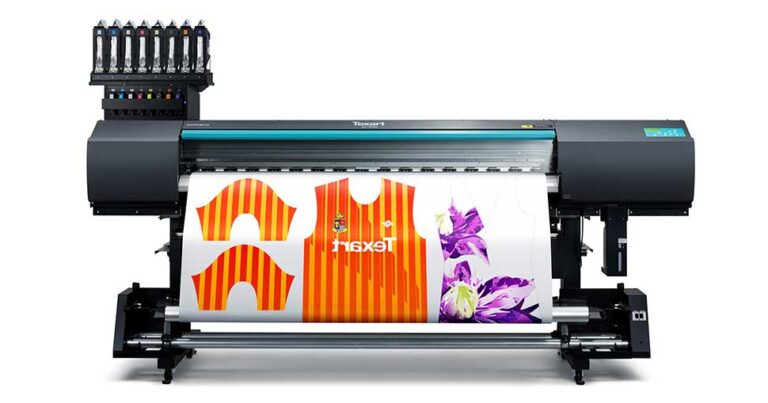
Before the pandemic, it is probably fair to say that textile printing was one of those things that we had all considered at some point. Perhaps it was for printing flags, fabric banners and soft signage, or supplemental production such as interior décor applications and soft furnishings. You might even have considered direct-to-garment printing including T-shirts, sportswear and short-run fashion designs.

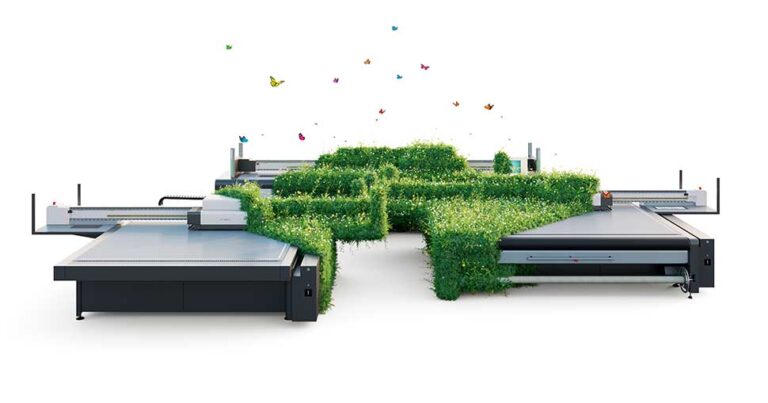
Purchasers of LFP systems focus mainly on aspects such as productivity, possible applications or investment and profitability levels. However, sustainability is gaining ground as a criterion – not only due to corporate values, but also because it is increasingly seen as a social and political requirement.
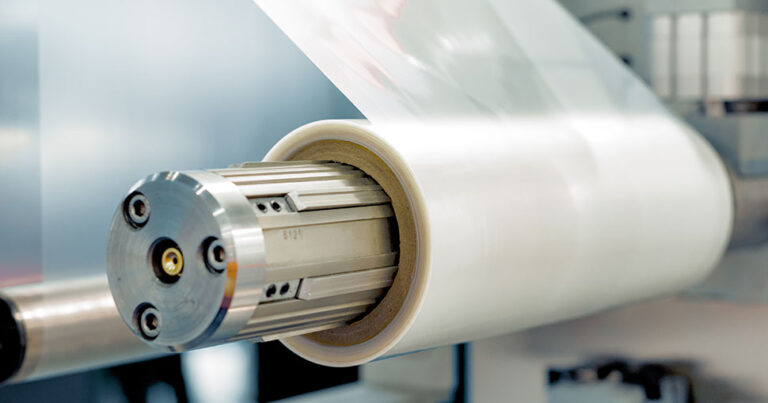
Mounting adhesives, sometimes referred to as double-sided adhesives or double-sided mount film, were used extensively in the early days of digital imaging but their use has waned as the availability of speciality adhesive-backed media has increased.
From the very beginning, Super-Wide Digital had a goal of becoming a leading player in the large and super-wide format print markets. Founded 21 years ago by Anthony Drogan, the Lancashire-based business has grown over the intervening years to the point where it can position itself as a ‘one stop shop’ for just about any wide-format application you can think of.
Sustainability is, and will continue to be for many years to come, an incredibly important factor for print service providers, no matter the size of their business or the markets in which they operate.
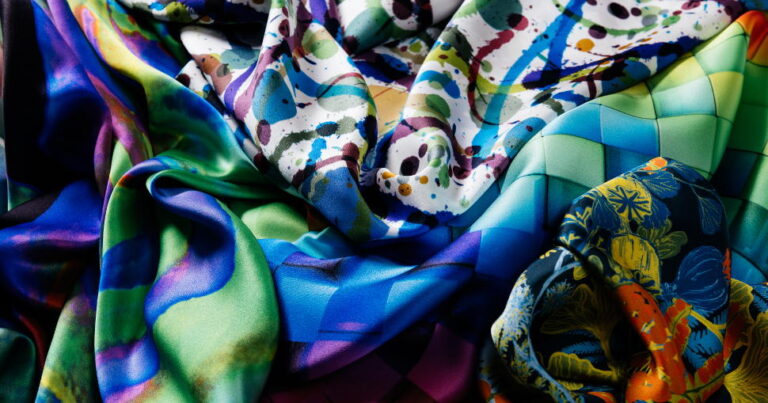
With the all-important COP26 Climate Change Conference having taken centre stage in November, there is no time like the present for the fashion world to rally together in stepping up sustainability efforts and getting carbon emissions under control.